
Complementing universities
Universities bring academic depth. SMIAR aims to provide additional engineering, prototyping and field-testing environments that connect academic knowledge with practical technologies. The institute will complement universities rather than compete with them.
Conversations that connect knowledge.
Speaking, learning and engaging with university communities form part of Siphiwe Mabusela’s wider journey. That experience informs SMIAR’s ambition to connect academic research with practical engineering in African environments.
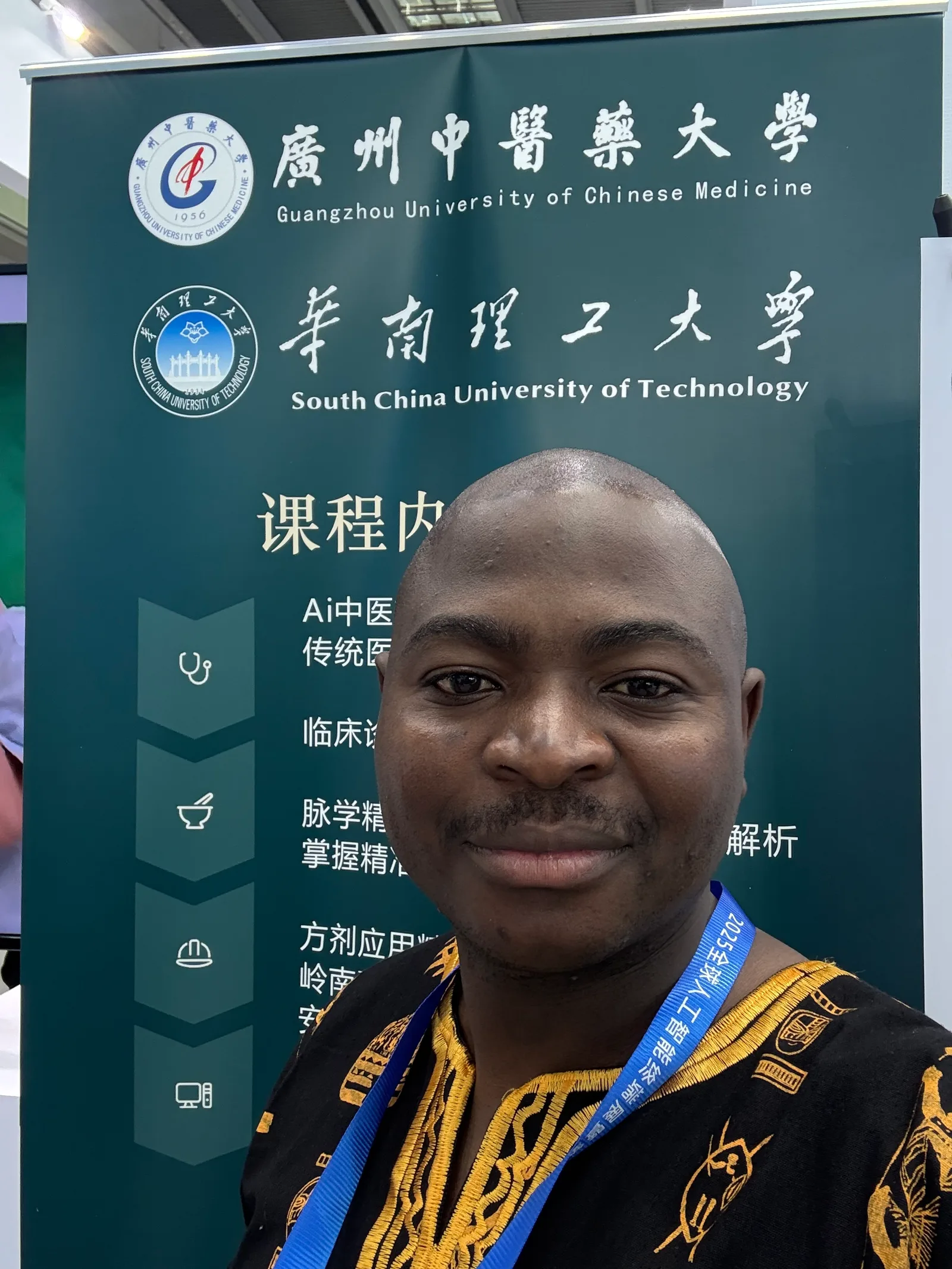
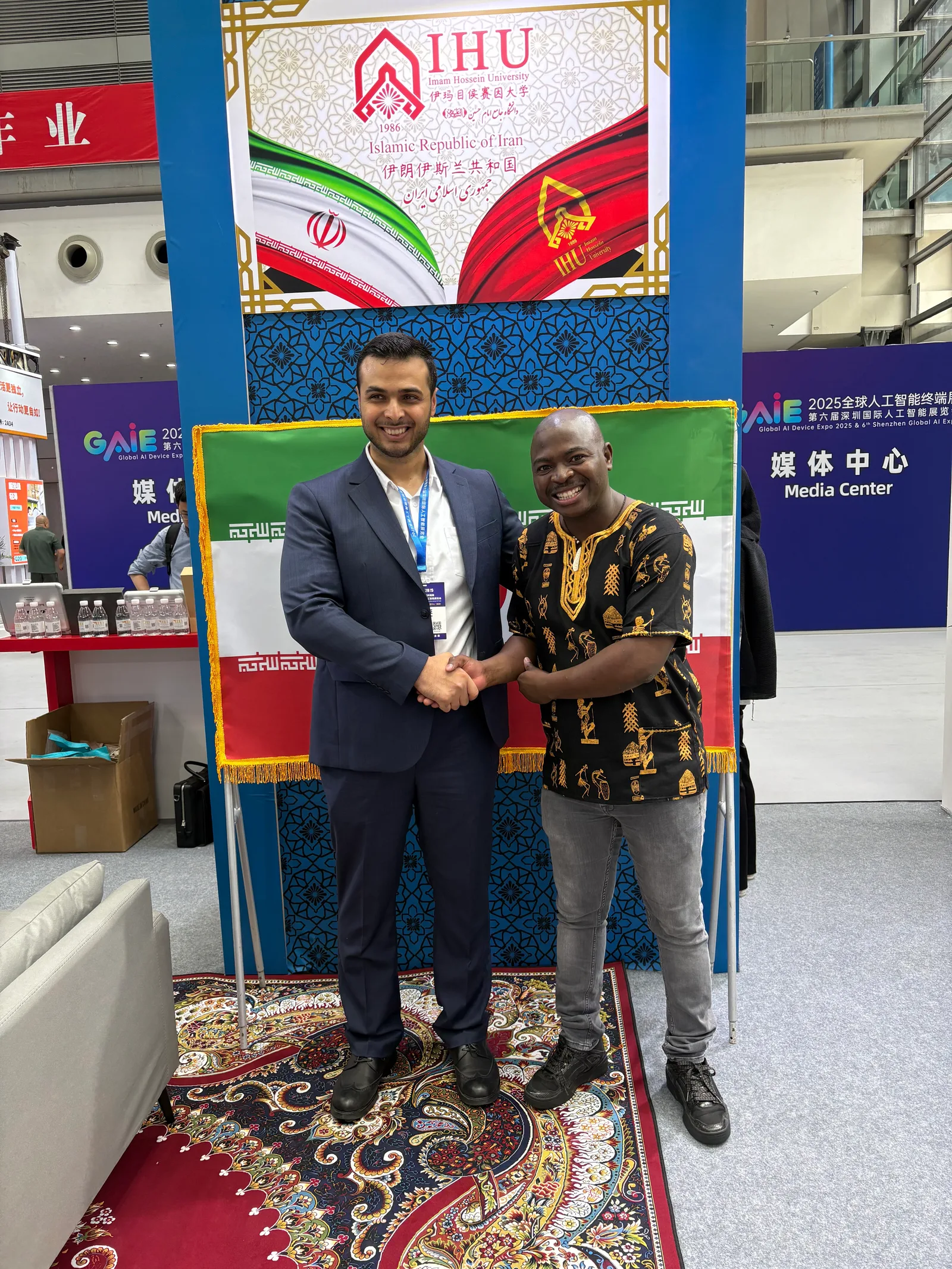
These photographs document the founder’s university engagements and international exposure. Formal SMIAR partnerships will be announced when agreements are established.
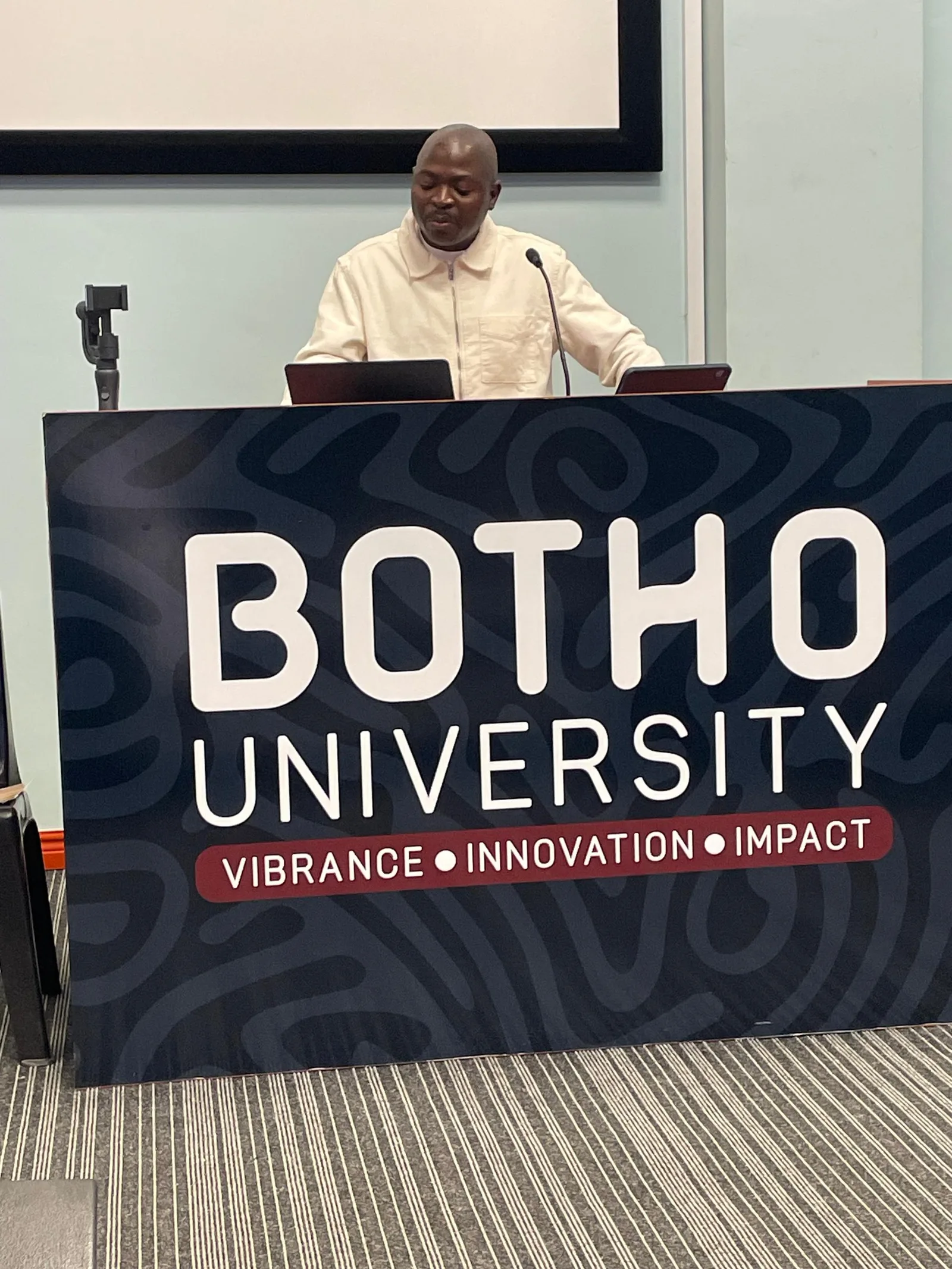
Learning across institutions.

Ways to collaborate
Joint research & laboratories
Shape research programmes, joint laboratories, research chairs and fellowships around challenges in African environments.
Postgraduate & doctoral research
Explore future Master’s, PhD and postdoctoral placements, joint supervision and field research.
Visiting academics & research teams
Develop visiting-professor opportunities and research residencies as campus capacity grows.
Publications & technology transfer
Collaborate on publications, conferences, prototypes, field trials and research commercialisation.
Proposed research residency
A future SMIAR Research Residency Programme would invite postgraduate students, postdoctoral researchers, professors, engineers, entrepreneurs, inventors and international research teams to work on campus.
Residencies are not open for applications yet. Programme details, facilities, timing and eligibility will be published when the research environment is ready.
What to include in a collaboration enquiry
- Your institution, research group or area of expertise.
- The African challenge or research question you would like to explore.
- Your intended contribution, such as supervision, technical expertise, equipment or research funding.
- The field-testing or prototyping environment your work would need.
Research agreements should clarify intellectual property, researcher rights, responsible data use and benefits for participating communities.