Six connected research pillars
SMIAR’s research vision connects scientific investigation with engineering and responsible field testing. Programmes will develop as the institute, infrastructure and partnerships are established.
Artificial intelligence
African language AI, locally relevant datasets, machine learning, computer vision and responsible AI.
- African language AI and locally relevant datasets
- Machine learning and generative AI
- Computer vision and edge AI
- AI for education, agriculture, healthcare and industry
- Responsible AI, governance and safety
Robotics
Agricultural, industrial, service and educational robotics, manipulation and human–robot interaction.
- Agricultural, industrial, service and educational robotics
- Mobile and assistive robotics
- Robotic manipulation
- Human–robot interaction
Autonomous systems
Ground vehicles, drones, navigation, mapping and machine perception for African environments.
- Autonomous ground vehicles
- Drones and unmanned aerial systems
- Navigation, localisation and mapping
- Machine perception and fleet intelligence
IoT & intelligent infrastructure
Sensors, embedded systems, edge computing and remote monitoring for rural and industrial infrastructure.
- Sensors and embedded systems
- Edge computing
- Remote monitoring and telemetry
- Smart rural and industrial infrastructure
Agriculture & food systems
Precision agriculture, crop and livestock monitoring, irrigation automation and smallholder technologies.
- Precision agriculture
- Crop, soil and livestock monitoring
- Irrigation automation
- Agricultural drones
- Smallholder-farmer technologies
Energy & climate technologies
Intelligent energy management, renewables, microgrids, water and environmental technologies.
- Renewable energy and intelligent energy management
- Battery and EV infrastructure
- Microgrids
- Water and environmental technologies
From components to working systems
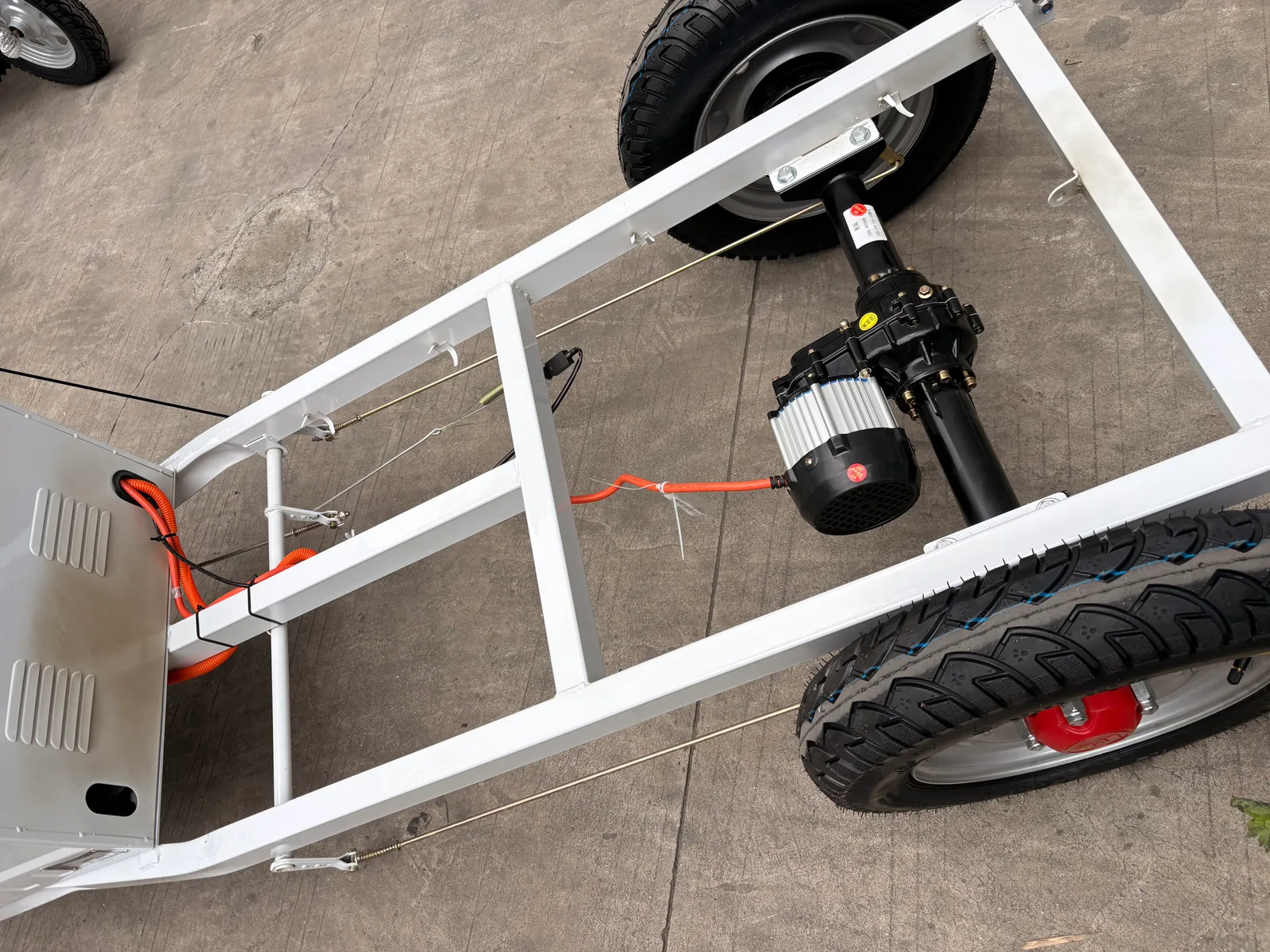
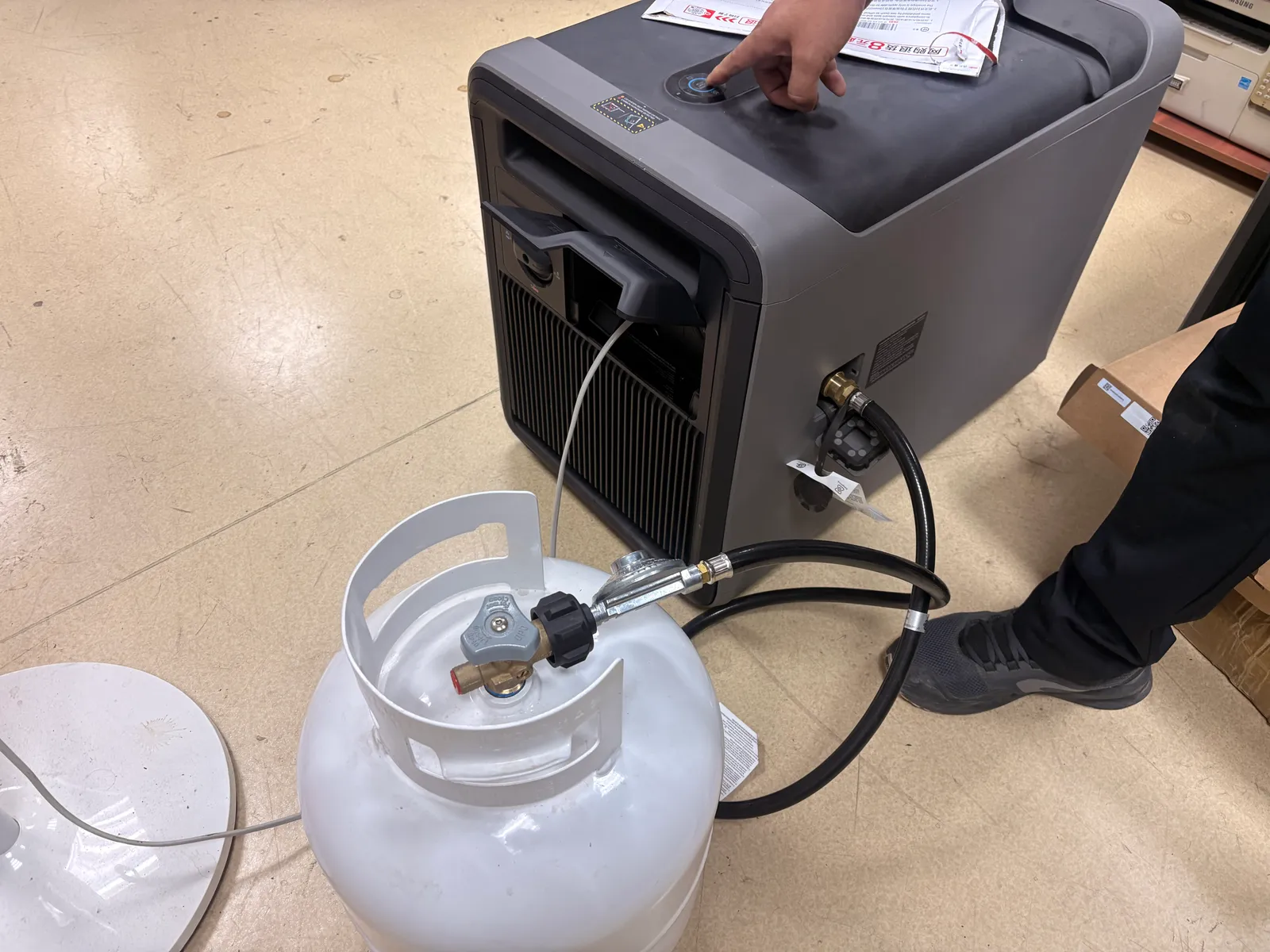
The founder’s wider engineering experience connects equipment, mechanical systems and hands-on technology learning. This practical perspective informs SMIAR’s proposed research directions.
These are photographs from the founder’s work and visits; they do not show completed SMIAR research projects.
Initial flagship concepts
The initial concepts below invite collaboration on agricultural robotics and African language AI. These are proposed programmes; they will develop with researchers and partners as the institute is established.
African Agricultural Robotics Programme
Develop autonomous or semi-autonomous agricultural technologies designed for African farming conditions.
African Language AI Programme
Research AI systems that better understand African languages, contexts and knowledge.
Further programme directions
The longer-term research vision also includes the following proposed programmes.
Rural Intelligence Network
Develop low-cost sensors, edge AI and communications for agriculture, water, the environment and infrastructure.
Autonomous Rural Mobility Programme
Research autonomous mobility suited to rural roads, farms and industrial environments.
Intelligent Energy Programme
Research AI-enabled monitoring and optimisation of solar, batteries, microgrids, LPG and EV infrastructure.
The living laboratory model
Understand problems with participating communities before designing solutions, then test responsibly in real operating environments.
- 01
Identify
Understand the challenge with participating communities.
- 02
Research
Investigate evidence and relevant scientific knowledge.
- 03
Design
Develop a solution for its intended environment.
- 04
Prototype
Build a working version to explore the idea.
- 05
Test
Trial responsibly in real operating conditions.
- 06
Measure
Assess performance, safety and practical impact.
- 07
Improve
Refine the technology using evidence and feedback.
- 08
Deploy
Move a validated solution into practical use.
From research to commercialisation
SMIAR aims to help research move beyond reports into practical impact. A future Innovation & Commercialisation Office could support patents, licensing, spin-off companies, joint ventures, open technologies, community enterprises and industry transfer.
- 01
Research
Generate knowledge and investigate a real need.
- 02
Intellectual property
Clarify rights, ownership and benefit sharing.
- 03
Prototype
Turn research into a working technology.
- 04
Pilot
Evaluate the technology in its intended setting.
- 05
Product
Develop a solution that can be used and maintained.
- 06
Enterprise
Support a route to adoption and sustainable impact.
African intellectual property & data
International collaboration should strengthen African research capacity. Research agreements should address ownership, joint inventions, university intellectual property, researcher rights, community participation, licensing, commercialisation, data governance and benefit sharing.
Research outputs
Verified project updates, publications and research outputs will be published as work develops. No completed research or publications are currently announced on this website.
News & publications